HORIZONT
Révész Ákos Megosztás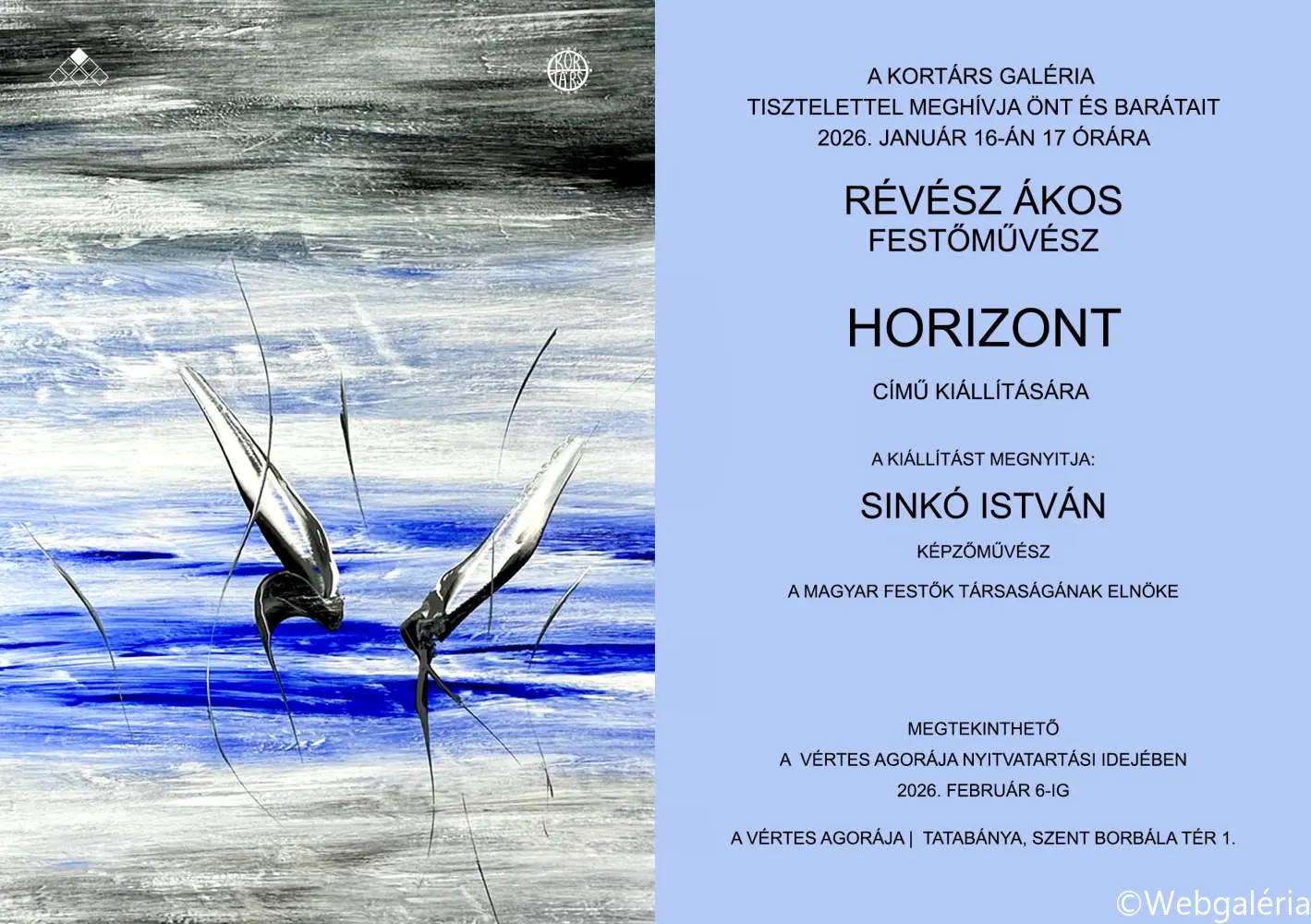
Megjegyzések:
A katalógusban lévő szöveg: Lebegő lehetőségek „Egyetlen döntés is elég, hogy végleg elpukkanjanak a még lebegő lehetőségek” (Rakovszky Zsuzsa) A néző örök kérdése: mit látunk a képen? Ez a kérdés talán már a középkorban is felvetődött, a képtörténet mesélések korában, a barokk szárnyalóan sokmotívumú tablói láttán, esetleg a huszadik századi absztrakt expresszionizmus alkotásait szemlélve. Mit látunk, vagy mit értünk meg a képből? A nézőnek e tekintetben nincs kötelezettsége, csak elfogadás vagy elutasítás az ami szerepet játszhat a szemlélődésnél. Az elutasításnál eleve elvet minden értelmezést, és eltávolodik a műtől. Amennyiben el - és befogad akkor saját maga jogosult értelmezni. Legyen az Rubens, Mark Rothko vagy épp Révész Ákos. Ugyanis ez nem ábrázolási, de fogalmi és emocionális feladatmegoldás. Miért és mi hat rám, nézőre a képmezőben látható dolgok (színek, formák, képelemek). Révész Ákos - mint annyi más kortárs művész - nem adja könnyen a megoldási kulcsot, egész pontosan nem a d megoldási kulcsokat nézőinek képei belső üzeneteinek a megfejtéséhez. Sorozatai melyekben az entitás szó a leggyakoribb előfordulású szó mozgalmas hátterek között, előtt lebegő formákat mutatnak. Révész egyszerre expresszív és szürreális. A képeken megjelenő látványelemek hol a realitás határán, hol azon túl érzékelhetőek, máskor meg szenvedélyes ecsetkezelésű absztrakt formákként érzékelhetőek. Ha tartalmilag figyeljük a műveket van az képekben valami bizarr bizonytalanság, valami folyamatos átmenet. Mintha valahonnan valahová tartó - átmenetileg szemünk elé bukkanó - organikus, lényszerű formák jelenlétét érzékelnénk. A retinánkon gyakran megjelenő, izgő - mozgó kis csapocskák, vagy a tiszavirág rajzás jelensége idéződhet fel a festményeken. Egyszerre illuzórikus és nagyon is valószerű ez a látvány. Révész redukált színvilággal, szinte grafikus módon közelít a kifejezni kívánt tartalomhoz. Hátterein - ha ezek valóban nem színmezők, hanem a teret jelezni kívánó hátterek - tehát hátterein néhol töredezett, mozgó színes mezők látszanak, de valójában a szürke, fekete és a kékes színek a dominánsak. Entitások - azaz önálló alakzatok, lények ők, Révész „főhősei”. Repdesnek, „szállnak a magosba” s talán eltűnnek elölünk. Lehetőségek ők, létünk piciny lélekszimbólumai, melyek egyetlen döntés nyomán elpukkannak. S vajon mi lesz akkor velük, s mi lesz velünk, azokkal, akik a döntést hoztuk? Révész így hát nem csupán mozgalmas, látványos és többértelmű képeket tár elénk, de figyelmeztet is. Veszélyre, legyen az természeti katasztrófa, vagy a lelkünkben lejátszódó törés, szakadás. Persze Révész Ákos festészete nem egy jóslatszerű jelenség, de, mint minden fontos műben az ő alkotásaiban is ott rejtőzik az a többlet, az az elgondolkodtatásra késztető üzenet, mely Rakovszky Zsuzsa verssoraiban is óvóan megjelenik. S ettől izgalmas és ettől szép a kortárs művészet. S ez adhat választ az írás kezdetén jelzett kérdésre; mit látunk a képben? Sinkó István